


Top Four Slovak Villages
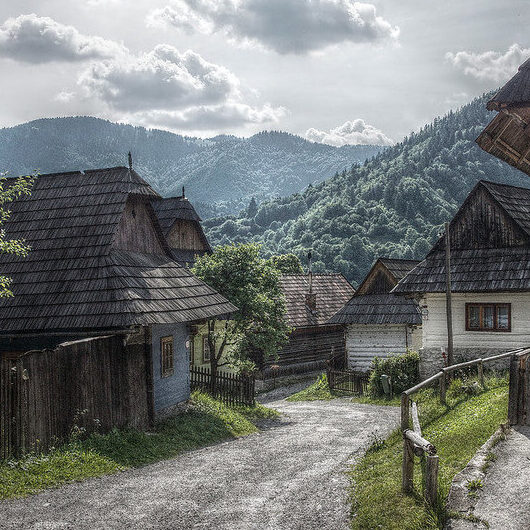
Slovakia is a land of charming Slovak villages, each with its own story, traditions, and breathtaking scenery. Picking just four was no easy task—hidden gems can be found in regions like Kopanice, Orava, or Kysuce—but the villages in this article are truly unmissable.
What makes them special is that they aren’t frozen in time as open-air museums. People still live here, traditions are alive, and every street, house, and festival tells a story you can experience firsthand.
1.Vlkolínec – The Slovak Mountain Village
First from Slovak villages you should not miss is Vlkolínec (in Slovak Vlkolínec), a traditional Slovak mountain village located in the beautiful scenery of the Veľká Fatra National Park. The village lies at an altitude of 718 meters and is now part of the nearby town of Ružomberok.
It was inscribed on the UNESCO World Heritage List in 1993 during the UNESCO Committee meeting held in Cartagena, Colombia. The main reason for its inclusion is that the village is still inhabited—people continue to live there—and it preserves a unique example of Slovak wooden folk architecture from the 18th and 19th centuries.
Entrance to the village is free of charge; you only pay admission to the museum. Some of the houses have been converted into museum exhibits. However, when visiting Vlkolínec, keep in mind that local residents still live there. The village is not just a museum, so please respect their privacy and personal property.
Entrance fee: Entry to the village is free of charge. Admission to the museum is €8 per adult and €4 for children up to 15 years old and seniors over 60.

2. Čičmany – Gingerbread village
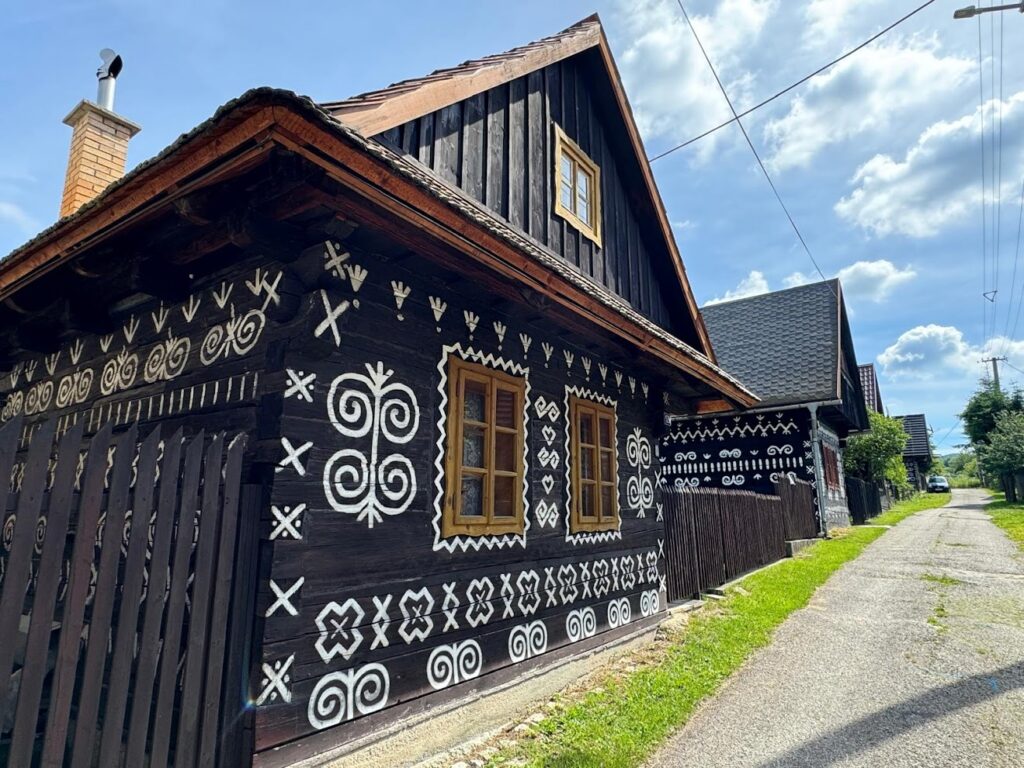
You don’t need a time machine to experience a traditional Slovak village—you simply need to visit Čičmany. This unique village is a living open-air museum of traditional Slovak wooden architecture and folklore, and it is still inhabited today.
Čičmany is famous for its distinctive wooden houses decorated with white geometric ornaments known as the “Čičmany pattern.” This traditional design has become a national symbol and is widely used in Slovakia—for example, Slovak athletes wear it on their uniforms during the Olympic Games.
Entrance to the village is free of charge; you only need to pay for parking. Payment can be made via QR code or SMS.
In the village, you will find the ethnographic souvenir shop and museum Drevenica Ondreja Gregora, where you can also purchase local handmade products from the brand Pekne. Another highlight is the village museum—the Radenov House—named after the largest traditional semi-detached wooden house in Čičmany.
Parking fee: €1 per hour for a car or van
Entrance fee to Radenov House: €5 per adult and €2.50 for children up to 15 years old and seniors over 60
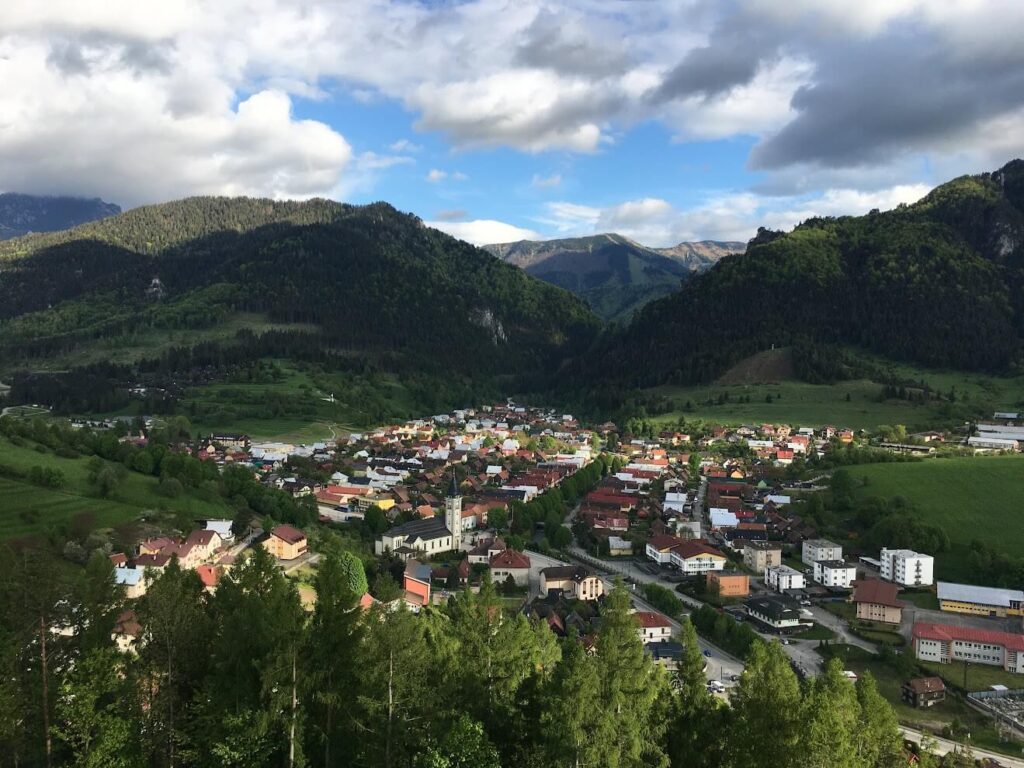
3. Terchová – The village of Slovak Robin Hood
Terchová is the birthplace of the Slovak national hero Juraj Jánošík. According to legend, he robbed the nobility and gave the loot to the poor—a deed often compared to the story of Robin Hood.
However, Terchová is famous not only for Jánošík, but also for the beautiful nature of the Malá Fatra National Park that surrounds the village. It is also well known for its rich folk music traditions—Terchová’s music is even inscribed on the UNESCO list of Intangible Cultural Heritage.
Every year, the largest folk festival, “Jánošík’s Days,” takes place in Terchová, celebrating local culture, music, and traditions.
The entrance to the village is free of charge.
4 Ždiar – The Goral Village
The last from our list of top Slovak villages is the beautiful Goral village of Ždiar is located in the hills of the eastern part of the High Tatras. The local inhabitants, known as Gorals, are an ethnic group living along the Slovak–Polish border. They are famous for their unique folk traditions and architecture, shaped by life in the harsh mountain conditions.
The entire village lies within the Tatra National Park, specifically in the Belianske Tatras. Nearby is the small village of Tatranská Javorina, where visitors can admire the hunting manor house of Count Hohenlohe as well as the wooden Church of St. Anne.
The entrance to the village is free of charge.

FAQ – Frequently Asked Questions about Slovak villages
If you’re looking for something truly unique, Vlkolínec is the top choice—it’s a UNESCO site and feels like stepping back in time. But if you prefer something more lively and visually striking, Čičmany with its painted houses is just as memorable.
No, the villages themselves are free to visit. You’ll only pay for extras—like parking in Čičmany or entrance to museums and selected houses.
They are all still inhabited, which makes them special. People actually live there, so it’s important to be respectful—especially in places like Vlkolínec, where it can feel like a museum but isn’t.
Spring, summer, and early autumn are ideal for nice weather and great views. If you enjoy folklore, try visiting Terchová during the “Jánošík’s Days” festival—it’s the biggest event of the year there.
Each one has its own character. Vlkolínec is all about preserved history, Čičmany stands out with its painted houses, Terchová is known for traditions and music, and Ždiar offers a mix of Goral culture and stunning mountain scenery.